
Quickscrews
Quickscrews Cabinet Install Screws
Built for strength and precision, Quickscrews Cabinet Install Screws are the go-to choice for professional cabinet installers. Designed specifically for cabi...
$169
View Product
Rudi Fowler is a doer – the type of person who sets lofty goals and simply makes sure he reaches them. That mindset was no different when he and his wife decided to build their dream home on a secluded piece of land in rural New Brunswick, Canada.
Rudi's distaste for having monthly bills quickly turned into action by way of setting off to build a completely self-reliant, off-grid home. And while this might seem a bit extreme for some, this home is proof that you don't have to compromise when it comes to taking your home off-grid and it might not be as pricey or as difficult as you may think.
It's always interesting to see how folks approach going off-grid, because to date, it's a very involved process from the homeowners' perspective. A lot of time and research are devoted to finding the best systems and products that will ultimately make up how the home is put together. Rudi's experience was no different.
For the average homeowners who dream of taking their home off-grid, Rudi's advice: 'Plan your off-grid around the build. Learn about wattage, and become familiar with appliances and systems in terms of how much electricity they use. Forget about electric heating elements altogether, and consider alternative heating options. Also, consider passive solar as an approach to building.'

This log home blends beautifully into its environment, and despite having more than 5,200 square feet of living space, it still looks and feels cozy. A variety of natural materials and elements were used in conjunction with the logs, such as stone. One of the striking features of this home is its 40-foot tall fireplace. Aside from being built from solid concrete block, it is accentuated by roughly 5 tonnes of rounded rock, sourced from a local rock pit.
The home is built on top of ICF (insulated concrete forms) on both sides of the concrete walls of the foundation.

Log homes can be a bit challenging when it comes to insulation. The main floor actually has no insulation. The second floor has blown-in R-24 and the roof has blown-in R-60.
Recommended by Rise
Shop high-performance building materials that are vetted for benefits to your health, your pocketbook, and the planet.

Being surrounded by trees makes owning a wood stove much more logical than in busy city centers. A wood boiler was used as the main heat source, and a hydronic in-floor system is used to distribute that heat. A propane boiler was also installed as a backup but has yet to be used. A wood stove from Pacific Energy is used as secondary heating.
The same wood boiler used for heating the home is responsible for hot water heating in the winter, while surplus electricity from the solar panels is used to power an air-to-water heat pump that heats the water in the summer.

Bringing this home to off-grid status meant an investment in a solar system, one that would allow Rudi's family to be completely independent of the grid. They're actually about three kilometers away from the nearest line. Power is gathered by a total of 20 panels (230 watts each), which were installed on a free-standing aluminum rack. The energy is stored using a recycled forklift battery and distributed using a six-kilowatt Schneider Electric inverter. Rudi had a bit of an advantage on this front, as he also happens to run Epic Energy, a regional installer of solar panels.


Keep reading
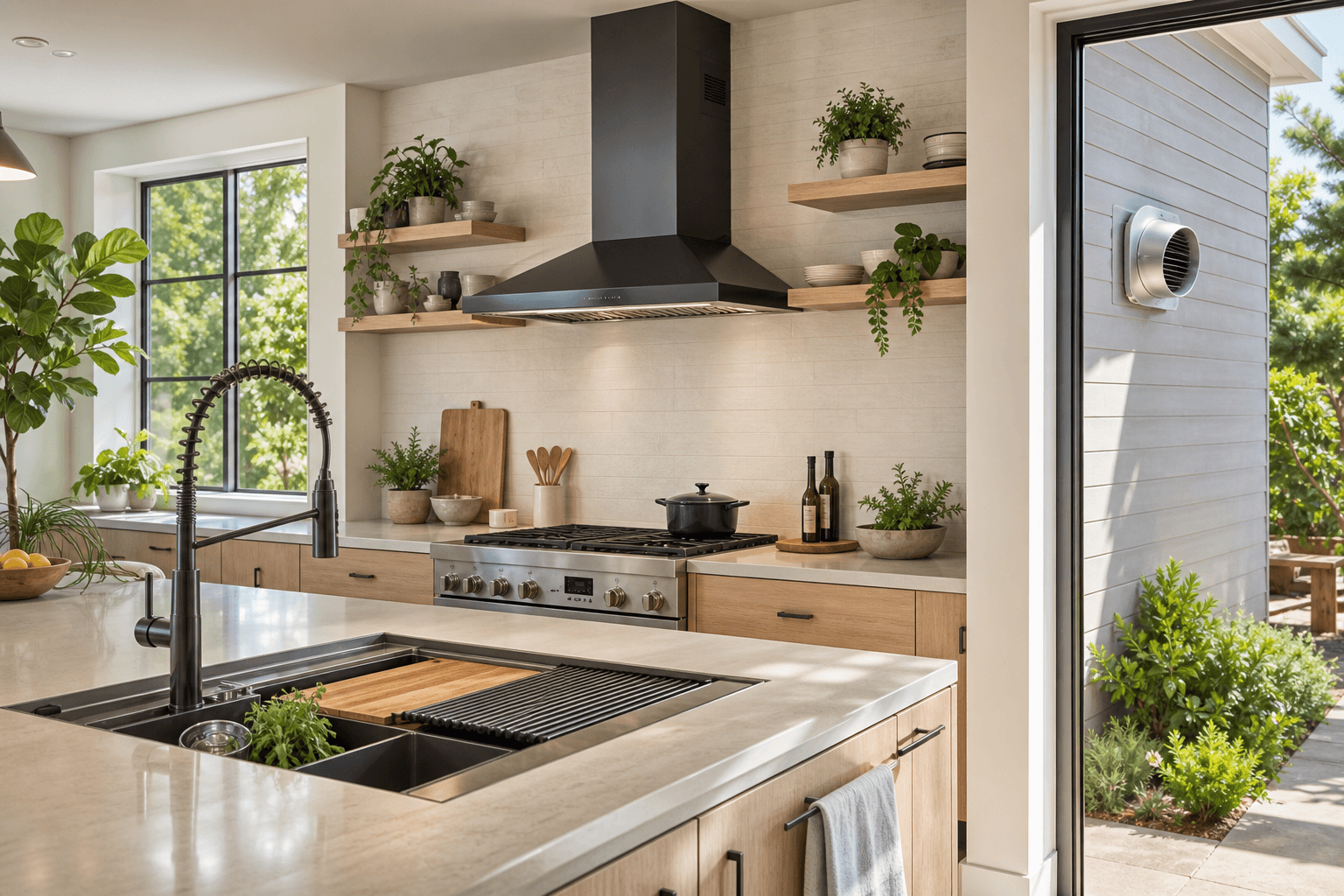
Your kitchen is where you cook, gather, and spend a surprising amount of time—yet it’s also one of the biggest sources of indoor air pollution and everyday frustration in a home. This guide walks you through how to design or upgrade your kitchen for better indoor air quality, cooking comfort, and everyday functionality, with practical advice on range hoods, ventilation, ducting, sinks, faucets, water filtration, workstation sinks, and efficient layouts.
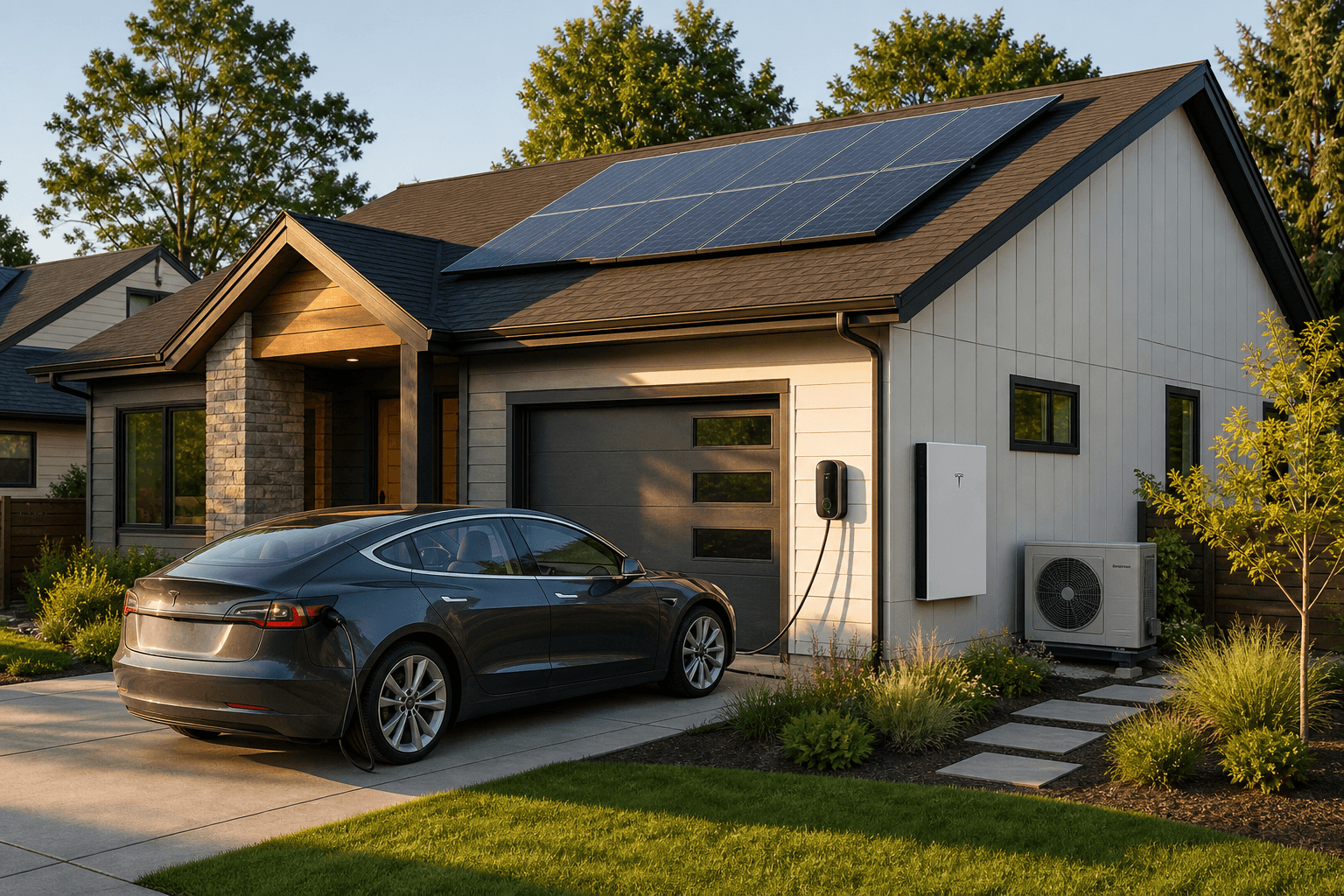
Electrifying your home is one of the most impactful upgrades you can make for comfort, operating costs, and carbon emissions. This guide walks homeowners and light-commercial property owners through the major electric technologies—EV chargers, heat pumps, heat pump water heaters, rooftop solar, battery storage, and electrical upgrades—so you can build a safer, cleaner, and more resilient home that’s ready for the future.
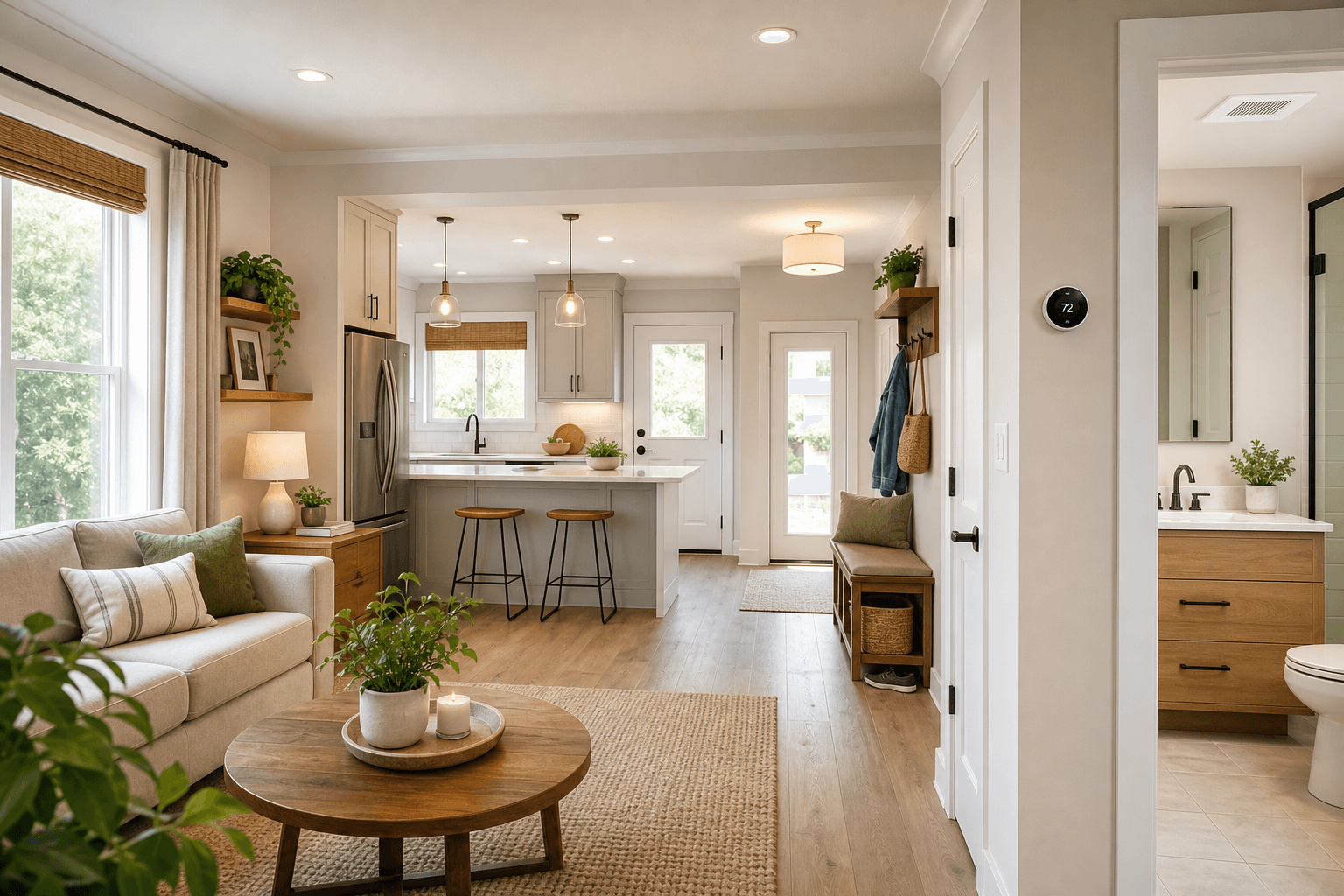
You don’t need a full gut renovation to make your home more comfortable, efficient, and valuable. Strategic, affordable upgrades—many of which you can complete in a weekend—can dramatically improve how your home feels, functions, and performs. This guide walks you step-by-step through the best small home upgrades that deliver big results for comfort, convenience, energy efficiency, and resale value.

Written by
Expert. Practical. Sustainable.
At Rise, we strive to make sustainable home improvement easy and accessible for everyone. Whether you're building or renovating, our thoroughly vetted building products will help you reduce your carbon footprint, lower energy costs, and create a more sustainable living or working environment.


